

We want YOU to know.
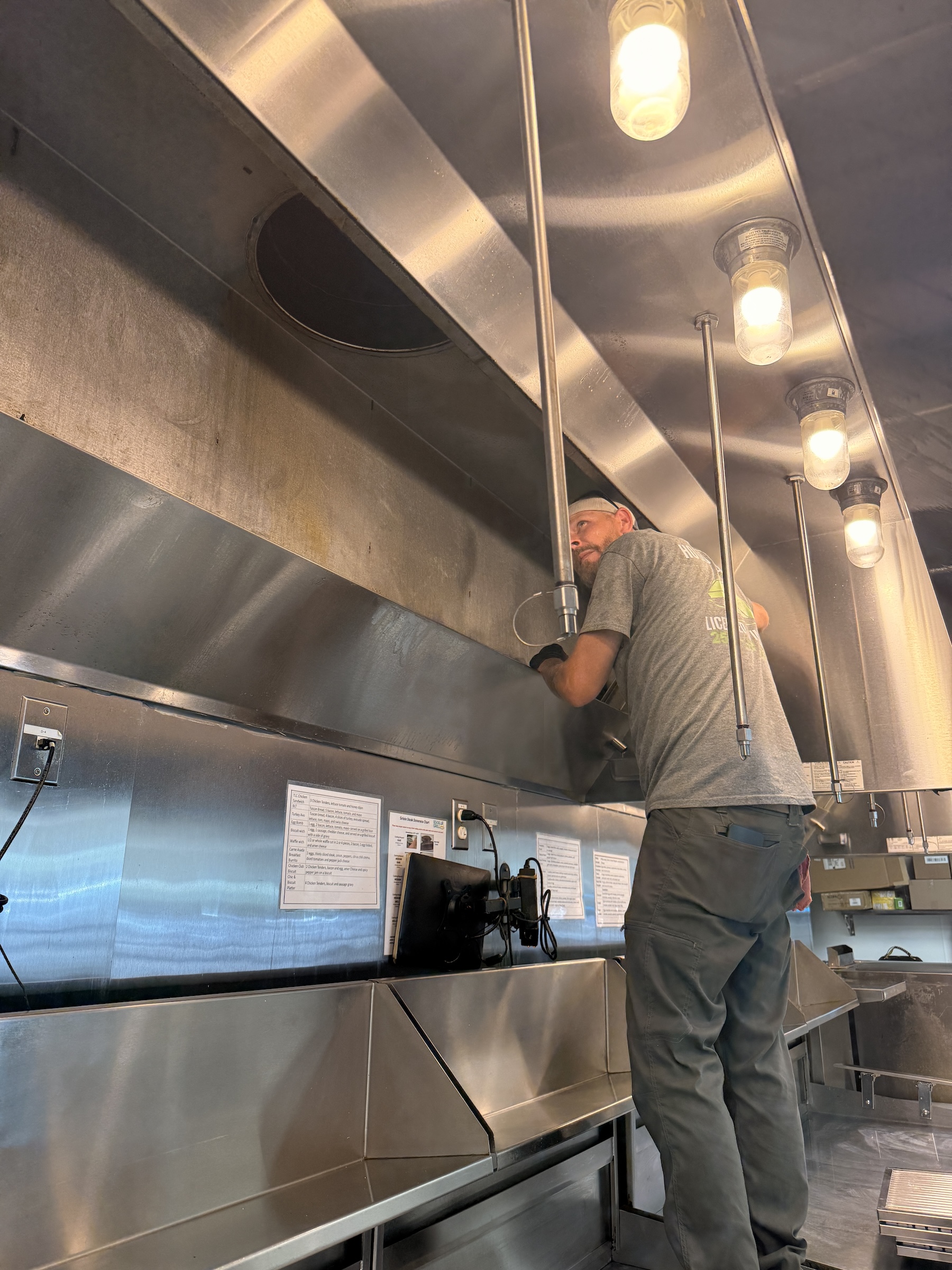
1. "When the hood cleaners leave, did they actually service the rooftop fan, or just clean what I can see from the line?"
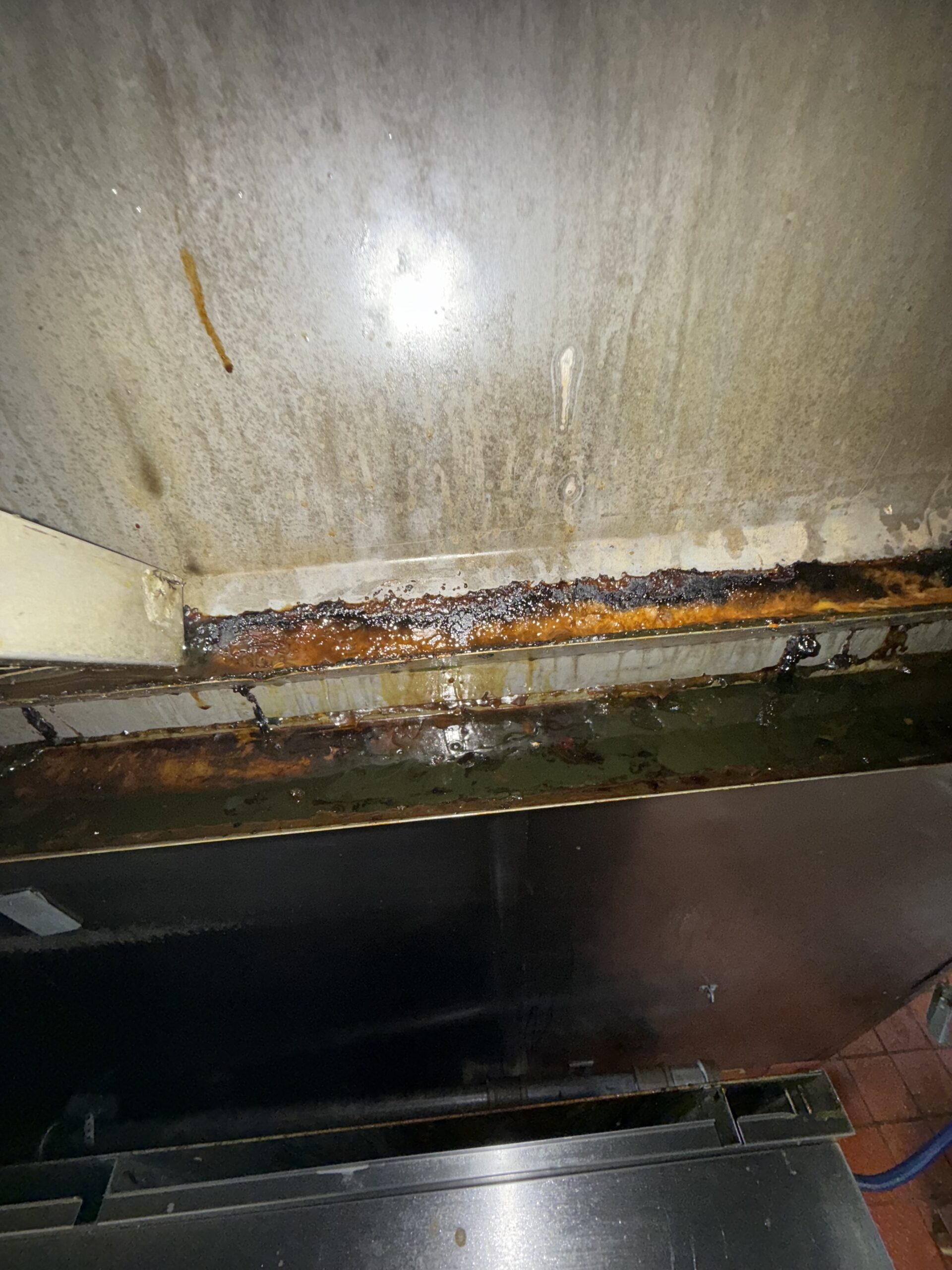
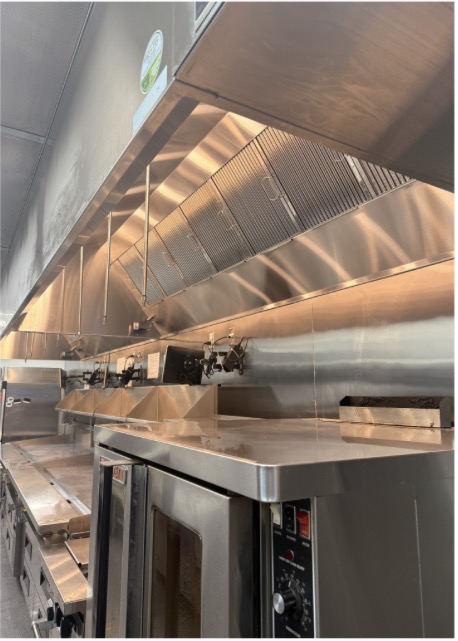
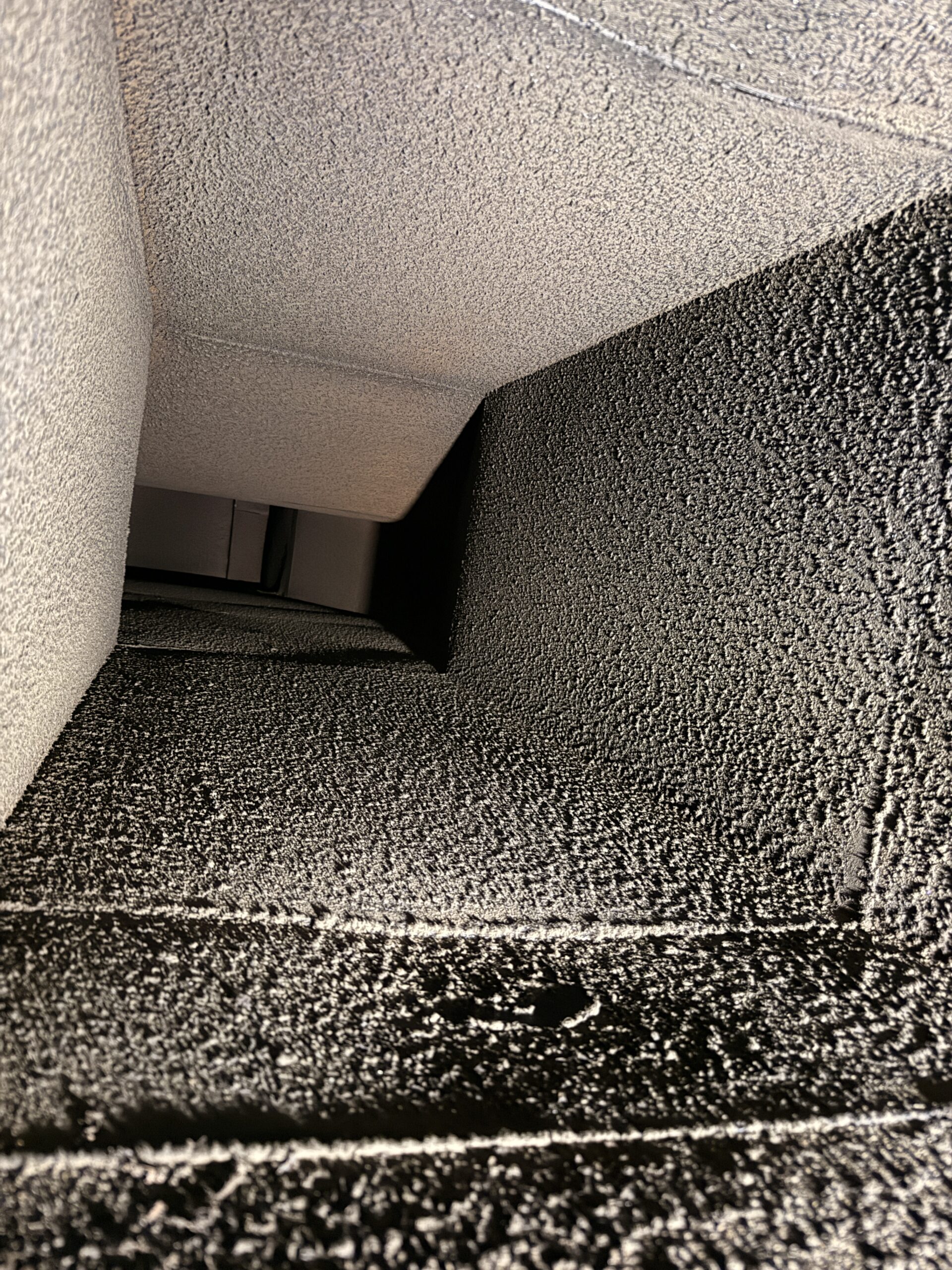
The Reality: A glossy, clean hood over your flat-top looks great, but grease vapors travel all the way up the ductwork and pool inside your rooftop upblast fan. If a provider skips the roof, grease blankets the fan blades, unbalancing the motor and creating a massive hidden fuel source.
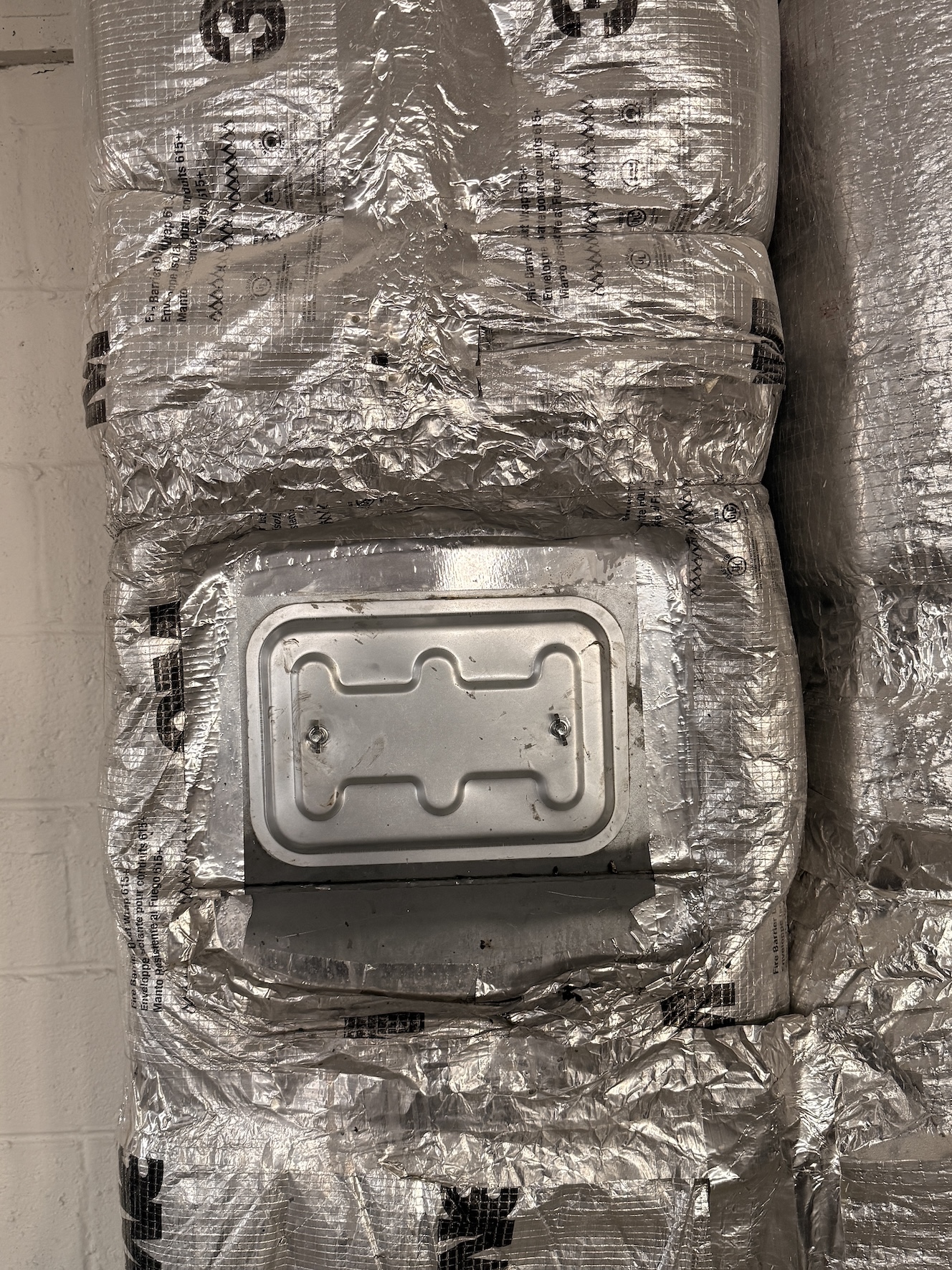
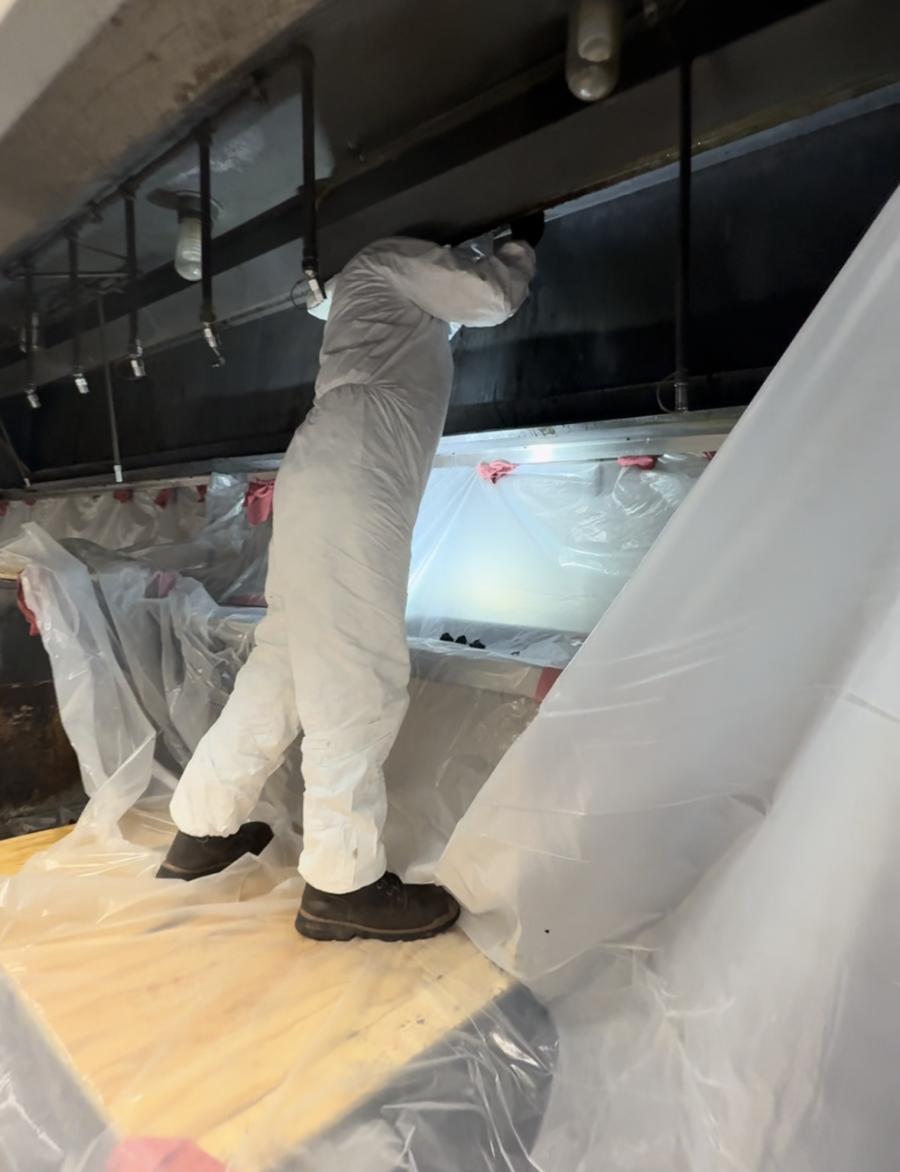
The NFPA 96 Rule: Section 12.6.1 states that the contaminated portions of the exhaust system shall be cleaned by a properly trained, qualified, and certified perso, This includes the hood, plenum, vertical and horizontal ductwork, and the rooftop fan itself. Wiping down only the visible hood is a major code deficiency.
2. "Does my rooftop fan have a code-compliant hinge kit installed, or are technicians forcefully ripping it off the curb?"
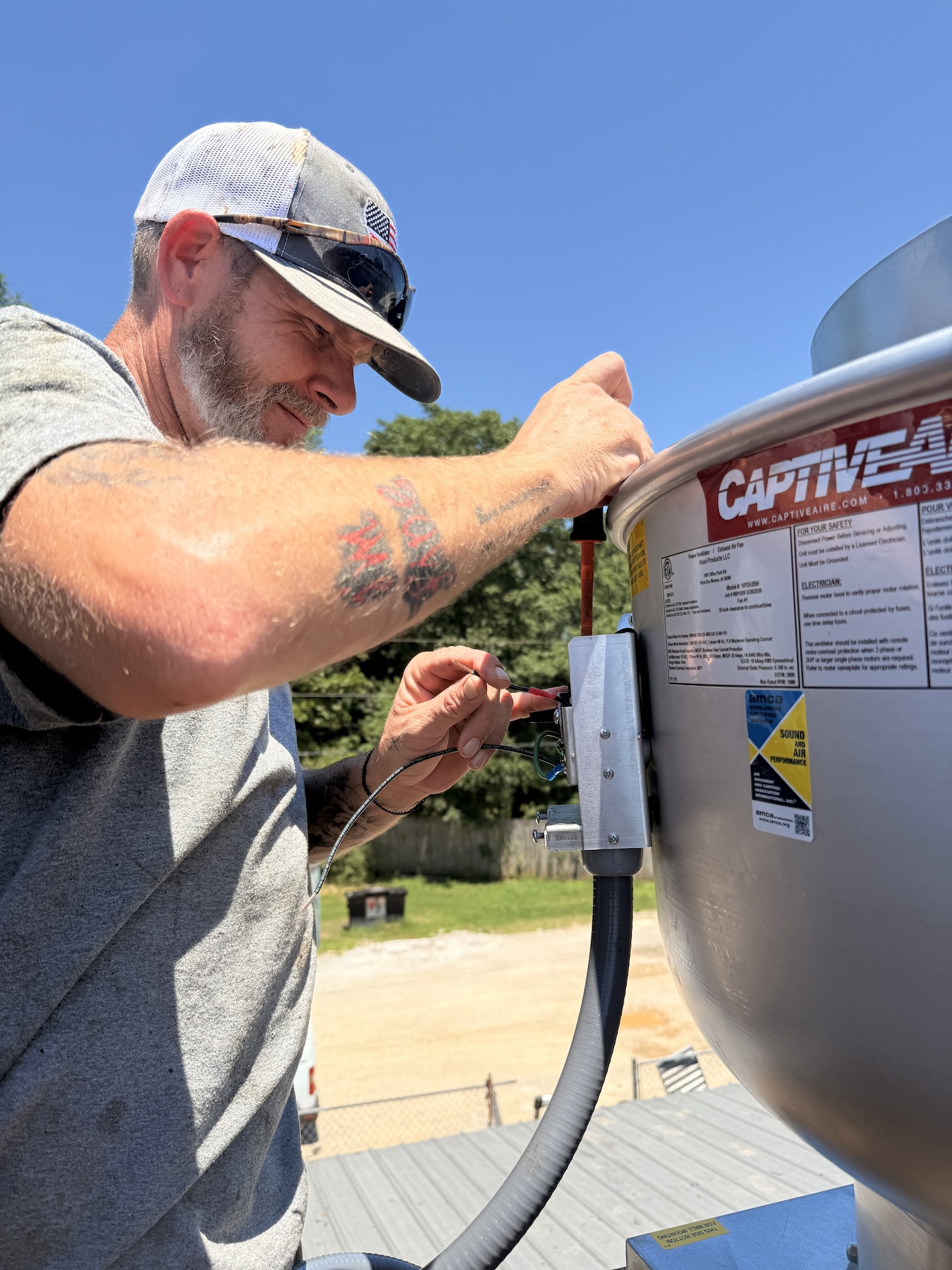
The Reality: Commercial upblast fans are heavy. Without a hinge kit, service technicians or hood cleaners have to completely lift the heavy, vibrating fan off its base and set it on the roof to inspect or clean it. This routinely slices through electrical wiring, dents the fan bowls, and crushes the roof curb.
The NFPA 96 Rule: Section 8.1.2.1 mandates that all rooftop upblast fans must be hinged and supplied with a flexible, weatherproof electrical cable and a service hold-open retainer. If your fan doesn’t have a working hinge kit, it is an immediate fire and safety code violation.
3. "Is kitchen grease slowly eating away at my building's roof membrane?"
The Reality: Exhaust fans naturally discharge liquefied grease through a small spout. Without a proper collection system, that grease spills directly onto your roof surface. Because animal fats and cooking oils are highly acidic, they will dissolve rubber or single-ply roofing membranes over time, leading to catastrophic structural leaks, voided roof warranties, and an incredibly fast-spreading fire hazard.
Facilitec WestThe NFPA 96 Rule: Section 8.1.2.3 requires upblast fans to have a grease collection device that drains into a rainproof container. The container must be designed to hold and filter grease while letting rainwater escape, ensuring no more than 1 gallon of grease can accumulate.
4. "Am I actually cleaning my system as often as the law requires for my specific menu?"
The Reality: Many owners believe “twice a year” is the standard rule for everyone. But a high-volume burger joint or a wood-fired pizza kitchen creates vastly more grease and creosote than a light-duty sandwich shop.
The NFPA 96 Rule (Table 12.4) Inspection and cleaning frequencies are strictly determined by your cooking volume and fuel source, not your budget:
- Monthly: Any system utilizing solid fuel (wood, charcoal, or briquettes).
- Quarterly (Every 3 Months): High-volume operations, including 24-hour kitchens, heavy charbroiling, or wok cooking.
- Semi-Annually (Every 6 Months): Moderate-volume operations (your standard full-service restaurant layout).
- Annually: Low-volume operations (churches, seasonal snack bars, senior centers).
Let Pro-Tec Bring You Peace of Mind
Don’t guess when it comes to compliance and fire safety. We specialize in providing the deep mechanical service, full system fan replacements, hinge kit retrofits, and grease containment systems that keep you 100% code compliant.
We Deliver.
On time, Every time