

We want YOU to know.
What happens if your Kitchen exhaust system isn't cleaned to NFPA-96 standards?
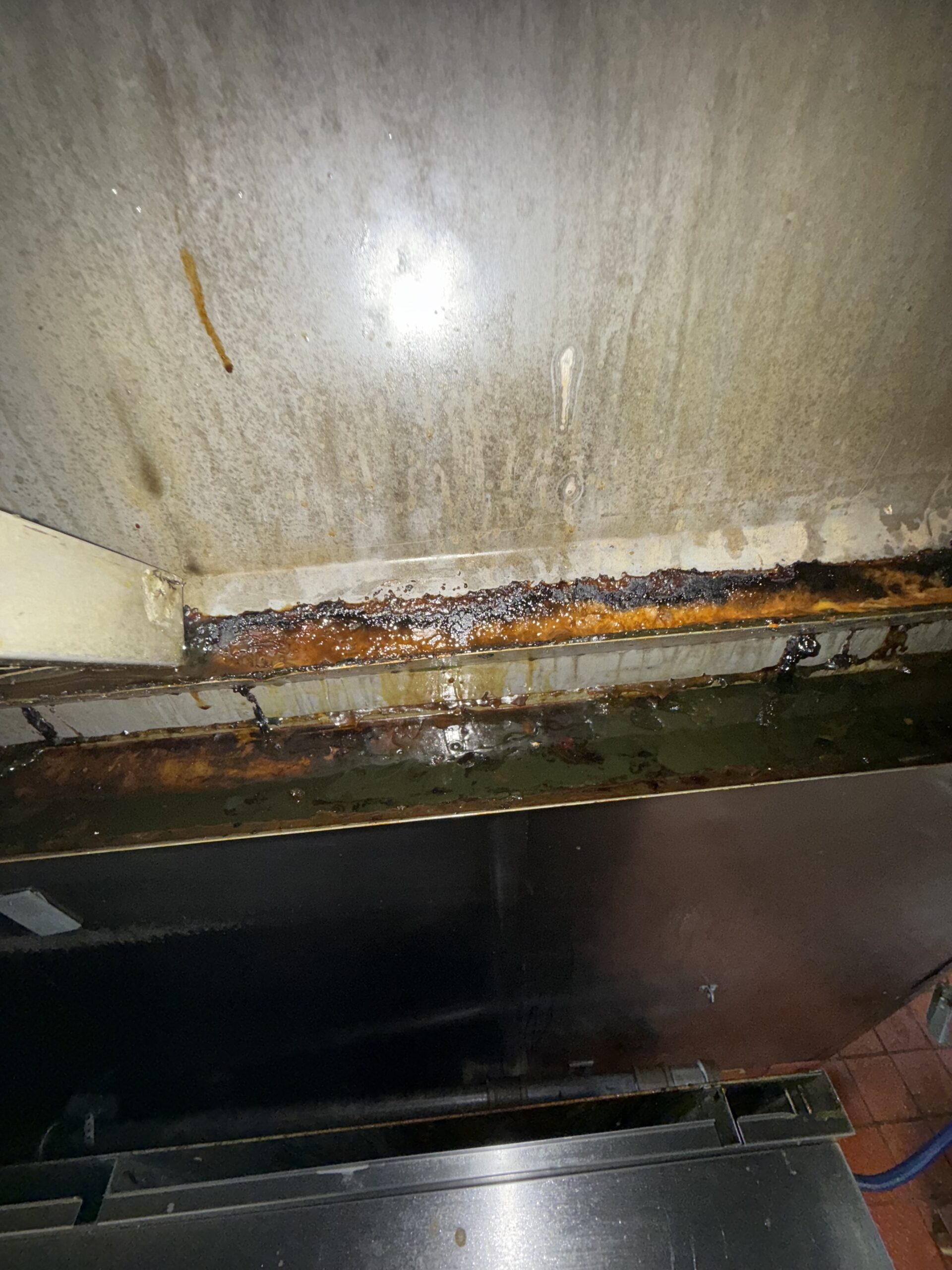
Fire Hazards
Grease buildup is the #1 cause of commercial kitchen fires.
Without NFPA 96 compliance, a single spark can ignite a disaster.
Insurance Denials
Most insurance companies require documented NFPA 96 cleanings.
Claims for fire damage can be denied if cleaning records are missing or noncompliant.
Health Department Violations
Noncompliance can lead to failed inspections, fines, or even temporary closure.
Grease accumulation attracts pests and promotes unsafe working conditions.
Legal & Liability Risks
Owners can be held personally liable for injuries or damages caused by avoidable fires.
Employees’ and customers’ safety is your responsibility.
Equipment Damage & Downtime
Grease buildup reduces ventilation efficiency and strains exhaust systems.
Unexpected repairs or shutdowns can mean thousands in lost revenue.
Reputation Damage
A fire or shutdown can spread fast — not just flames, but bad publicity.
Protect your brand by keeping your kitchen safe and compliant.
Is that surface safe to pressure wash?
Every surface reacts differently under pressure — and using the wrong PSI can cause expensive and sometimes irreversible damage. Wood, stucco, paint, and even brick can be ruined in seconds by too much force. High pressure doesn’t always mean a better clean — it often means splintered wood, stripped coatings, etched stone, or water forced deep where it doesn’t belong.
A few surfaces that aren’t safe to have high amounts of pressure on them are listed below:
Asphalt Shingles
Wood Decks/Fences
Stucco or Dryvit
Brick & Mortar
Painted Surfaces
Windows & Glass
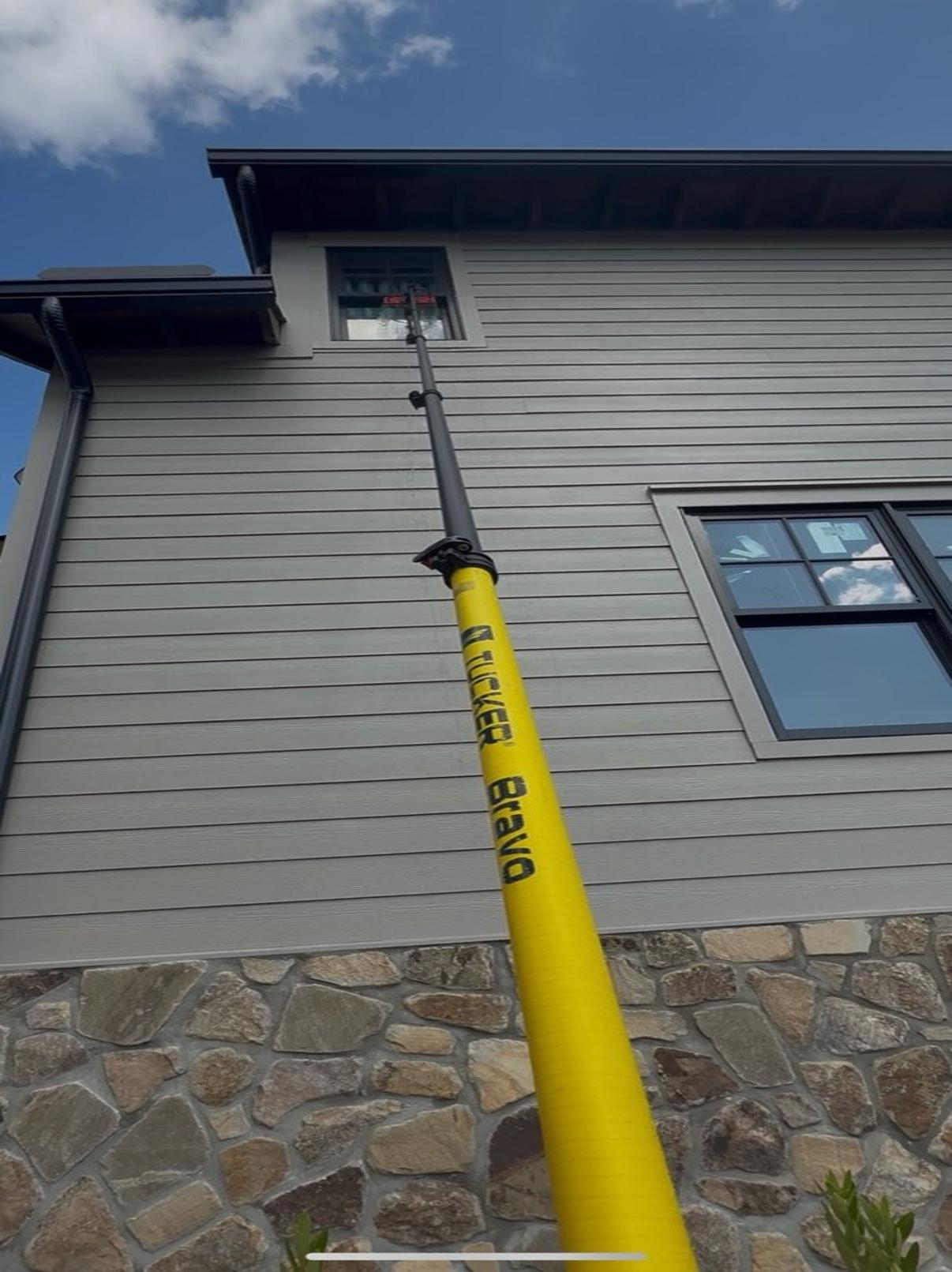
Can I clean my windows with vinegar?
Vinegar is acidic (about 5% acetic acid), which means over time it can wear down protective coatings on glass, especially low-E, tinted, or treated windows.
Vinegar can damage window seals and gaskets by breaking down rubber, silicone, and adhesive materials used around the glass.
On aluminum or metal frames, vinegar can cause corrosion or pitting, especially if not rinsed off properly.
When mixed with hard water, vinegar can react with minerals like calcium and magnesium, leaving white streaks or haze instead of a clean finish.
Vinegar doesn’t effectively remove grease, pollen, or silicone-based residue, so it often leaves a film behind that attracts more dirt.
Using vinegar on mirrors or glass with backing film can cause discoloration or peeling if moisture seeps into the edges.
The strong odor can linger indoors and may cause irritation for people sensitive to smells or acids.
Professional glass cleaners are pH balanced and formulated to safely dissolve dirt without harming coatings, seals, or surrounding materials.
For long-term window clarity and protection, it’s best to avoid acidic cleaners and use neutral or alcohol-based products designed for glass.
Does an initial exhaust system restoration cost more than a maintenance cleaning? why?
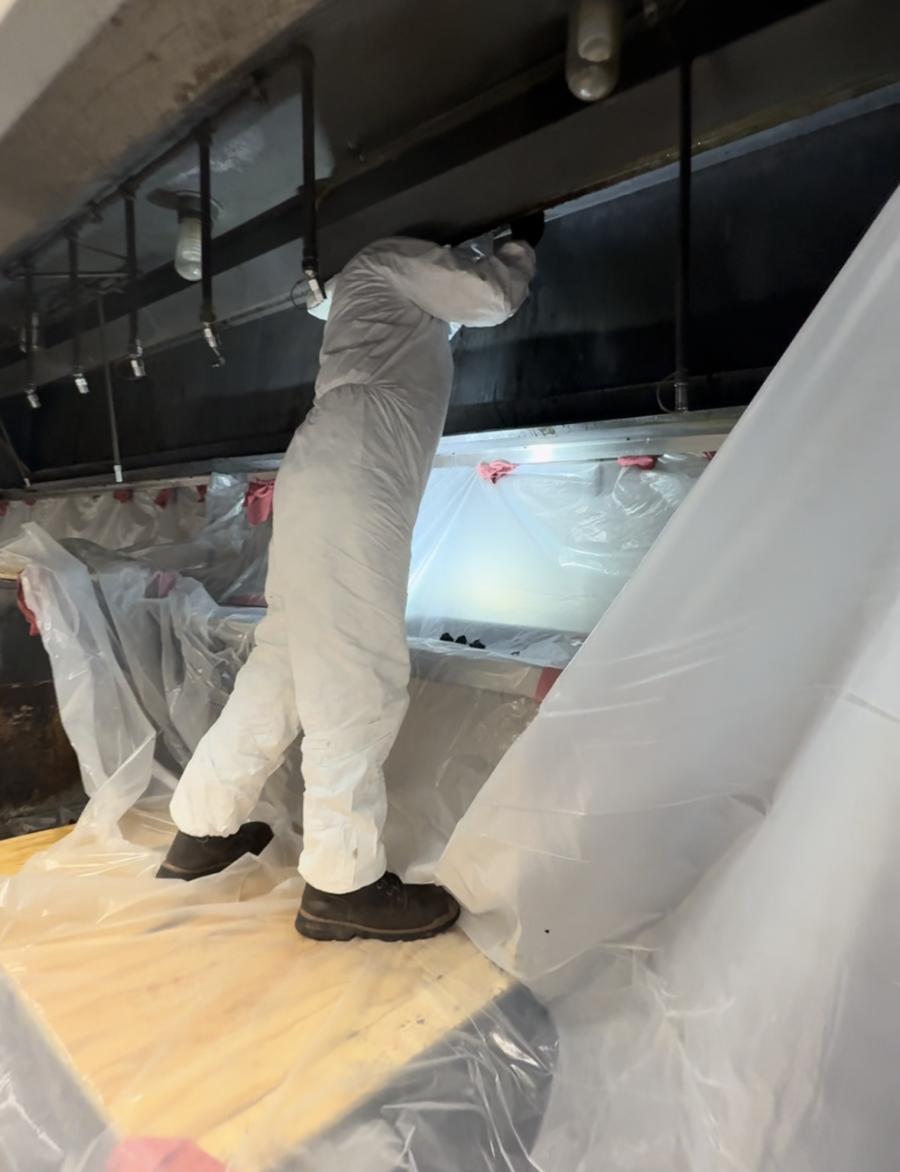
When we perform an initial exhaust duct cleaning, the process is much more involved than a routine maintenance cleaning. Most first-time cleanings require extra time, labor, and materials because the system has typically built up heavy layers of grease and carbon deposits that haven’t been fully removed in past services.
Many companies focus only on the visible areas — hoods, fans, and easily accessible ductwork — but the NFPA 96 Fire Code requires a complete system cleaning, from the hood all the way to the exhaust fan discharge. Over time, grease accumulates deep inside the duct runs, where it’s harder to reach and more dangerous if left untreated.
At Pro-Tec, our assessments and pricing are based on the NFPA 96 standards we were professionally trained and certified under. That means when we inspect your system, we evaluate it by code — not by convenience. This ensures your exhaust system is not just “clean on the surface,” but truly safe, compliant, and fire-risk free from top to bottom.
Once the system is brought up to code during the initial cleaning, future maintenance cleanings are faster, easier, and more cost-efficient because the heavy buildup has already been removed. Our goal is to get your system fully compliant and keep it that way — protecting your business, your staff, and your investment.
We Deliver.
On time, Every time